Christmas Chibi Embroidery Review
As a designer who spends more time staring at stitch charts than sleeping, I approach every new digital asset with a healthy dose of skepticism. The market is flooded with generic clipart that looks disastrous when converted to thread. However, Christmas Chibi caught my eye not because of hype, but because of its potential for actual commercial viability. This isn't just a cute image; it is a functional machine embroidery design that requires serious consideration before it hits the hoop.
The First Impression: Mood and Layout
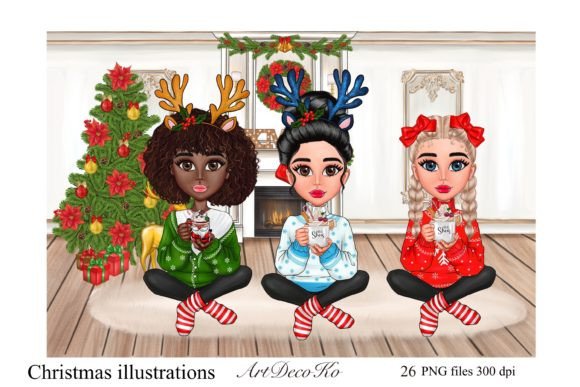
When you first load this file into your digitizing software, the immediate takeaway is clarity. In the world of embroidery project files, clutter is the enemy. Christmas Chibi avoids the common pitfall of overcrowding. The layout feels balanced, leaving enough negative space around the central figure to allow for clean stitching without excessive trimming. It creates a warm, festive mood that aligns perfectly with holiday marketing trends, yet it remains simple enough to work across various demographics.
The visual personality here is key. It is playful but not childish in a way that limits sales. For an Etsy seller or small shop product owner, this distinction matters. You want designs that appeal to adults buying gifts for children as much as they appeal to the children themselves. The shape and theme suggest a high-quality illustrations category origin, translated effectively into thread. It feels like a premium asset rather than a quick, low-effort download.
Real-World Application: Where Does It Shine?
I recently tested this concept on a custom tote bag design scenario. Imagine a heavy canvas tote for a holiday craft fair. Placing Christmas Chibi in the center offers a focal point that draws the eye without overwhelming the fabric. Because the design relies on clear shapes, it reads well even from a distance. This is crucial for craft business items where customers are browsing quickly.
However, the true test lies in versatility. Here is how I see this embroidery file performing in specific niches:
- Custom Apparel and Sweatshirt Embroidery: On a crewneck sweatshirt, the contrast between the festive colors and a neutral fabric (like cream, grey, or navy) can make this design pop. It works best as a chest pocket placement or a centered front design. The scale needs to be managed carefully to ensure it doesn’t look like a logo but rather an artistic statement.
- Baby Embroidery and Nursery Decor: This is perhaps the strongest use case. Soft baby blankets, muslin swaddles, or nursery wall art benefit from the gentle, rounded aesthetic of chibi styles. When paired with soft pastel threads, it becomes a high-value personalized gift. Parents are willing to pay a premium for items that feel safe, soft, and visually soothing.
- Kitchen and Home Textiles: A tea towel or apron featuring this design adds a touch of seasonal charm. The design’s simplicity means it won’t clash with busy kitchen patterns. It serves as a delightful accent piece for holiday hosting.
- Embroidered Patch: If you are selling standalone patches, this design translates beautifully. The defined edges allow for a clean satin stitch border, making it easy to iron-on or sew onto denim jackets or beanies. It fits the current trend of customizable accessories.
Technical Considerations and Stitch Density
Before committing to a production run, we must talk about execution. Not all designs are created equal under the needle. With Christmas Chibi, the primary concern is always stitch density. If the fill stitches are too dense, the fabric will pucker, especially on lightweight materials. If they are too sparse, the backing will show through, ruining the professional look of the finished product.
I recommend checking the following technical aspects:
- Hoop Size Verification: Ensure the design dimensions fit comfortably within your standard hoop sizes (typically 4x4, 5x7, or 6x10 inches). A design that is too large for a small hoop may require re-digitizing or multi-hooping, which increases labor costs.
- Thread Color Contrast: Test the design on both light and dark fabrics. Chibi characters often rely on bright colors. On dark fabric, you may need to add a cut-away stabilizer or a base layer of white thread to ensure the colors remain vibrant. Poor contrast is the fastest way to lose customer trust.
- Detail Inspection: Zoom in on the eyes and any small accessories. Are there tiny running stitch details that might break? Is the satin stitch smooth, or does it have jagged corners? These micro-details determine whether the item looks handmade by a pro or mass-produced poorly.
- Stabilizer Selection: Always match the stabilizer to the fabric. For stretchy knits like sweatshirts, a tear-away or cut-away stabilizer is essential to prevent distortion. For woven cottons, a water-soluble top stabilizer can help keep thread tension even.
Pitfalls to Avoid
Even a great design can fail if applied incorrectly. There are several scenarios where Christmas Chibi should be used with caution:
- Small Hoop Sizes: Attempting to shrink this design too small can result in lost details. If the character’s face becomes indistinct, the charm is lost. Stick to minimum dimensions recommended by the digitizer.
- Textured Fabrics: Bouclé wool, thick terry cloth, or heavily textured linens can hide the intricacies of the design. The needle may struggle to penetrate these fabrics cleanly, leading to skipped stitches.
- Curved Surfaces: While caps and hats are popular, embroidering a flat, centered design on a curved brim can cause distortion. It requires advanced hooping techniques and possibly a flexible stabilizer.
- Dense Stitch Areas: If the design has large blocks of fill stitch, avoid using it on thin fabrics like silk or fine jersey unless proper support is provided. The weight of the thread can sag over time.
Commercial Viability and Brand Consistency
For the digital product seller or commercial embroidery entrepreneur, the question is always: "Will this sell?" Christmas Chibi answers that question with a resounding yes, provided it is marketed correctly. It taps into the universal appeal of holiday cheer and cute aesthetics. It is highly giftable, which drives impulse buys during the Q4 season.
From a branding perspective, this design allows for consistency. You can create a cohesive line of products—mugs, pillows, shirts—all featuring the same character style. This builds recognition. Customers come back because they recognize the aesthetic. It transforms a one-time buyer into a repeat customer.
However, remember to check the licensing terms. Even if you buy the digital embroidery file, verify whether you are allowed to sell the physical finished items. Some creators restrict commercial use, while others offer tiered licenses. Protect your business by ensuring you have the right to profit from your labor.
Final Verdict
In conclusion, Christmas Chibi is a strong contender for your holiday collection. It balances aesthetic appeal with practical stitchability. It is versatile enough for apparel, home decor, and accessories. By testing it thoroughly on scrap fabric, verifying your thread colors, and choosing the right stabilizer, you can turn this design into a profitable handmade product.
It is not just a decoration; it is a tool for building your brand. Use it wisely, stitch it well, and watch your engagement rise. Whether you are a hobbyist making gifts or an Etsy seller scaling up production, this design offers the reliability and charm needed to succeed in a crowded market. Just remember: the magic is in the execution. Test, refine, and then release.